


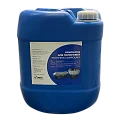
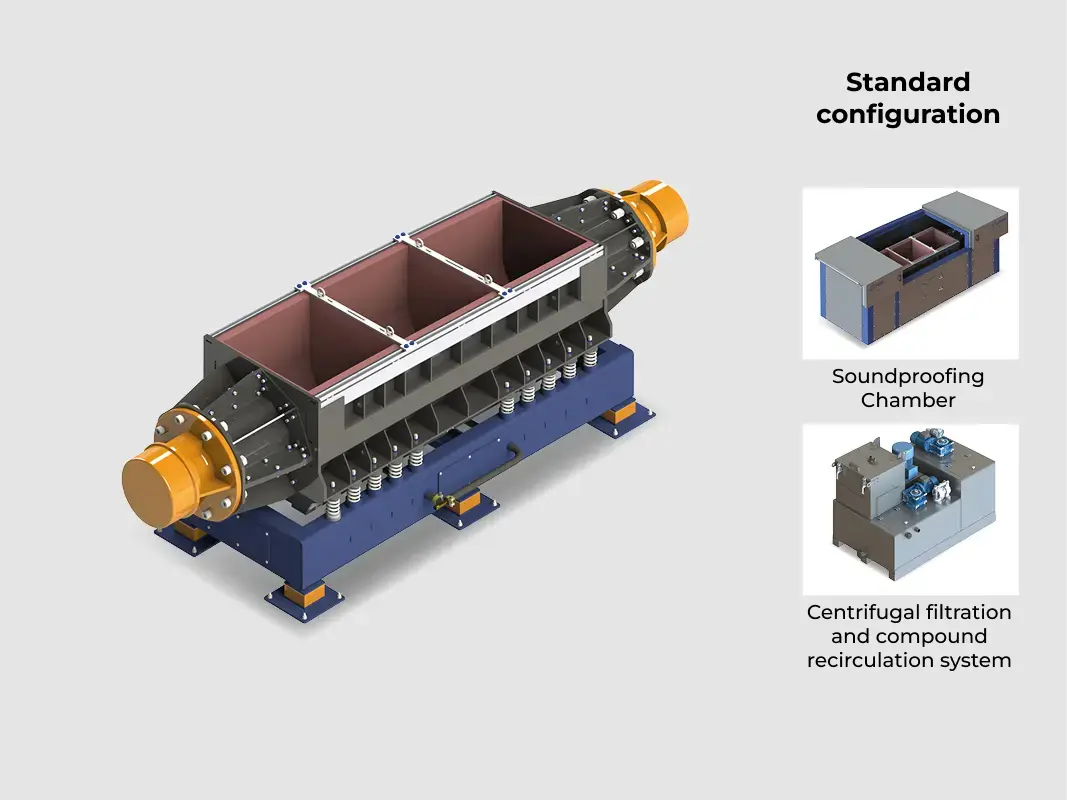
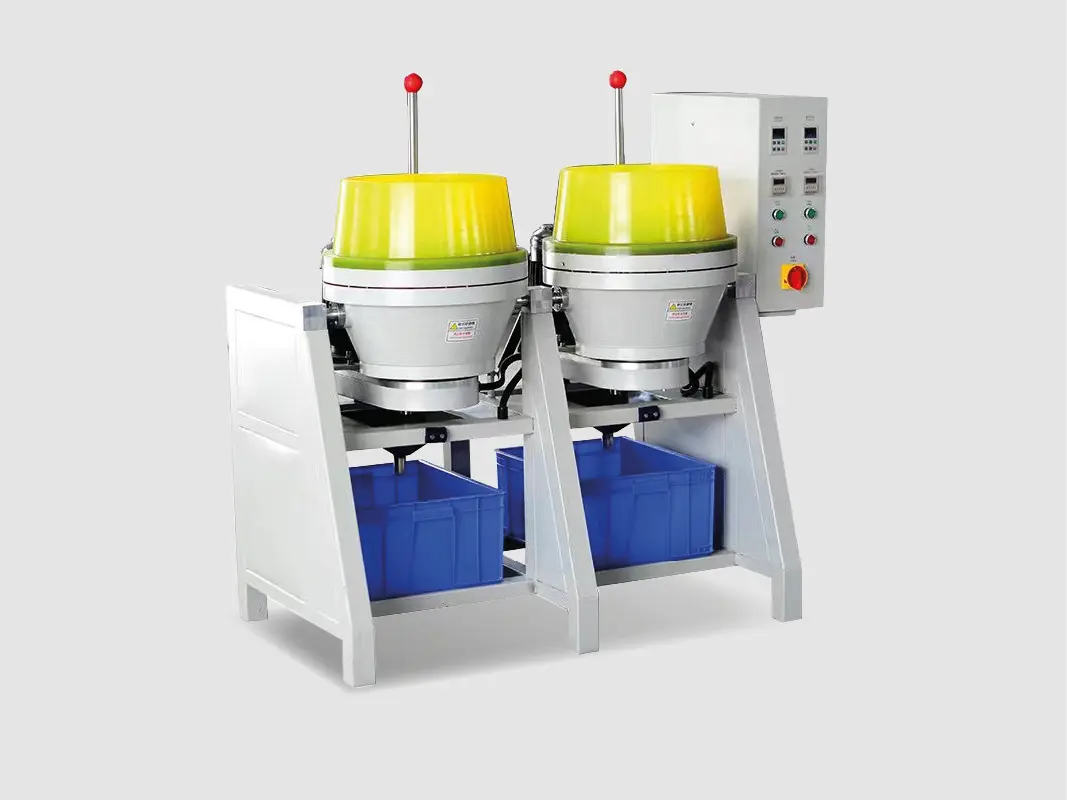
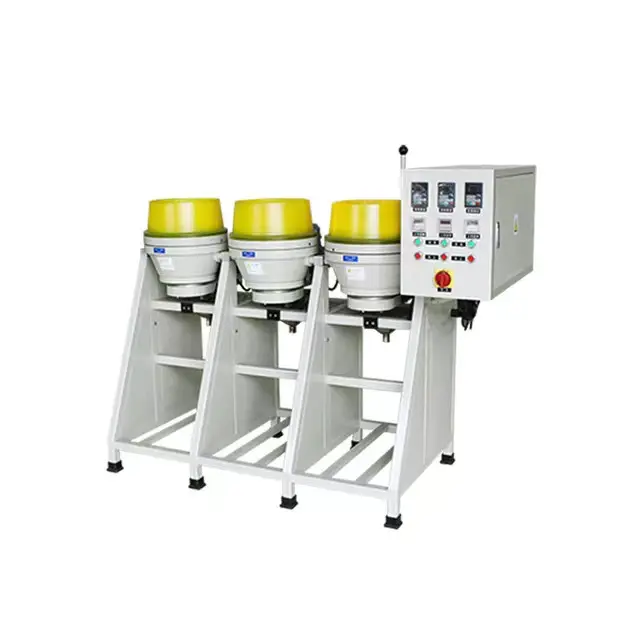
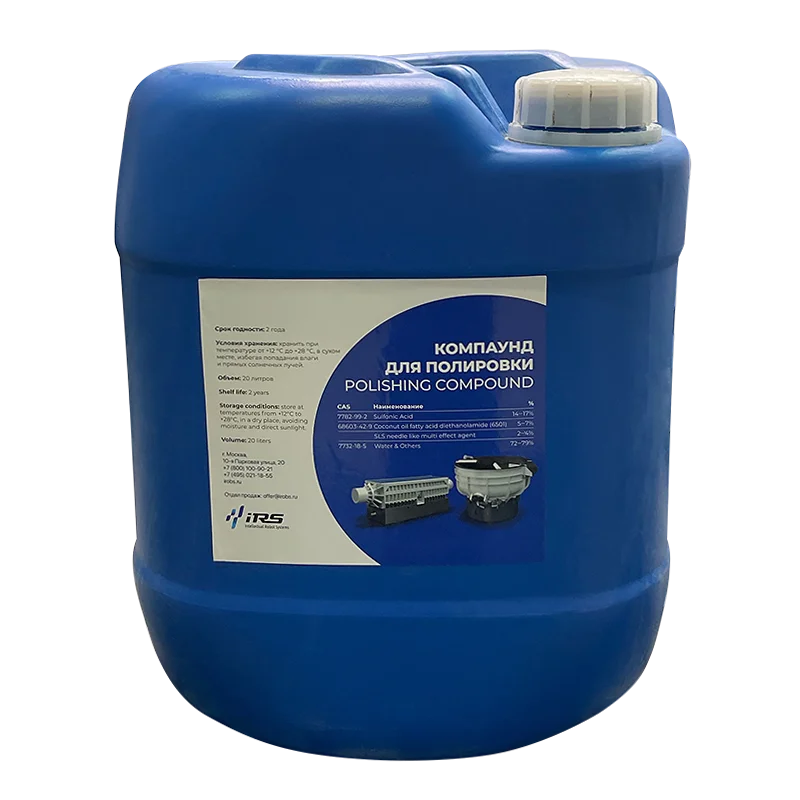
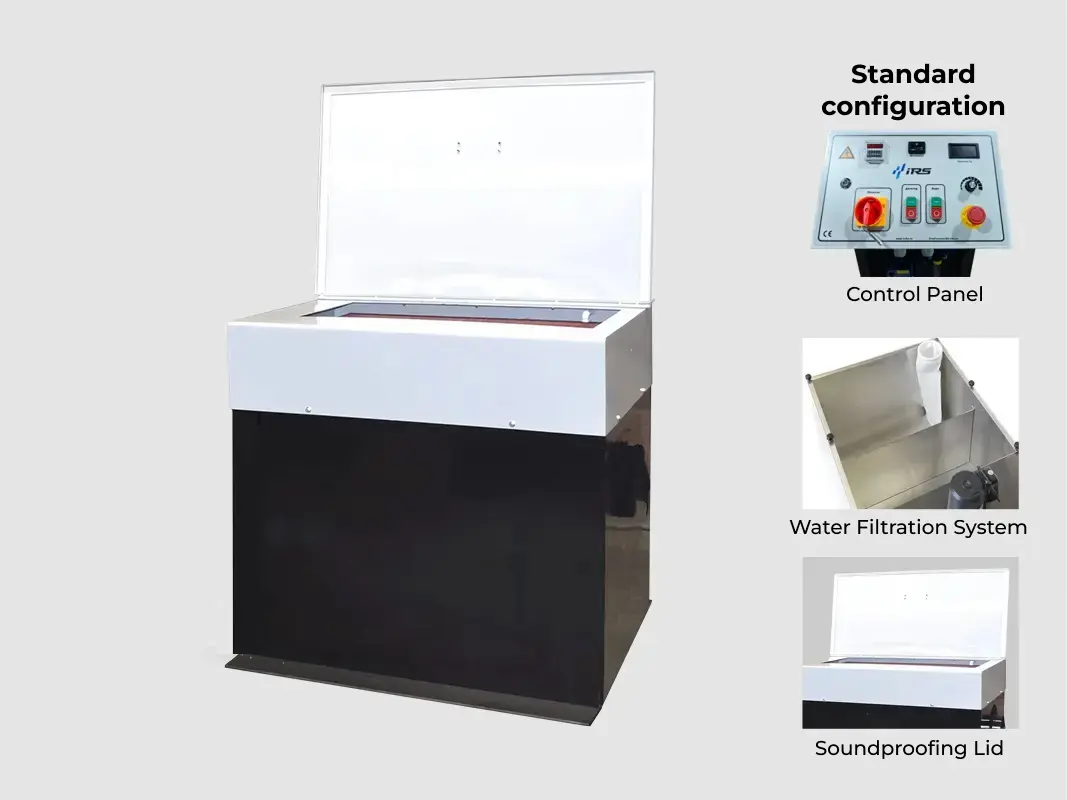
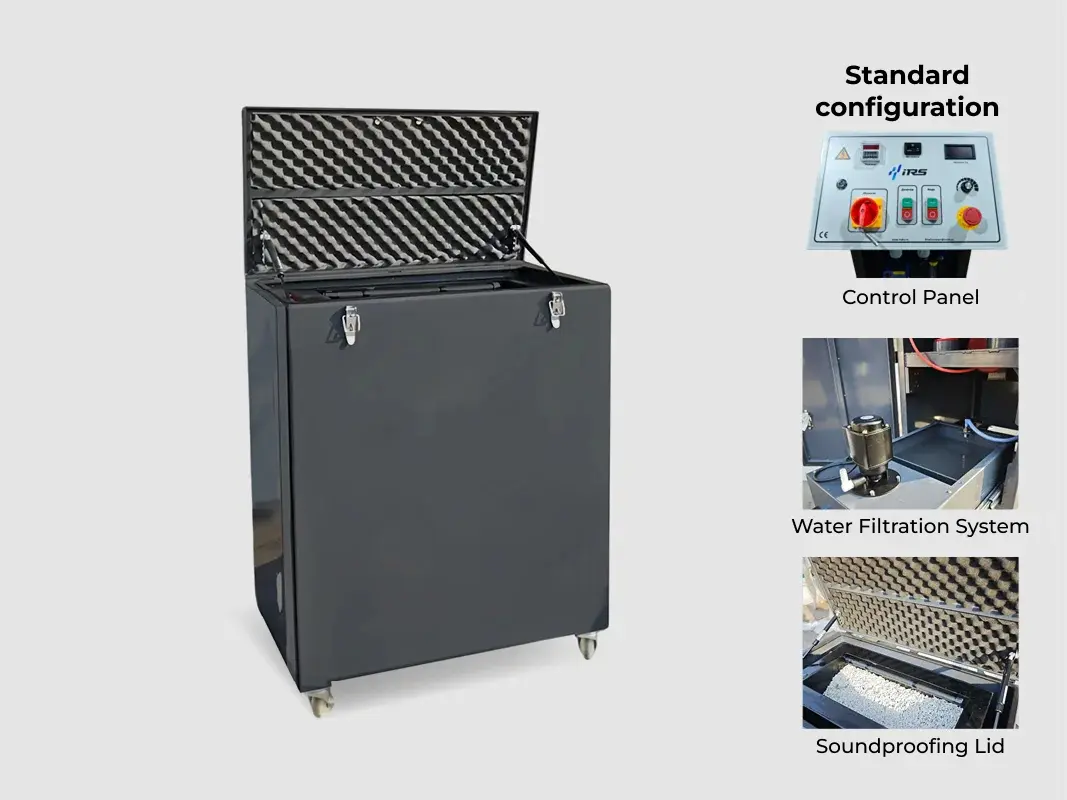
Compound Recirculation and Filtration Systems
Посмотреть все товары



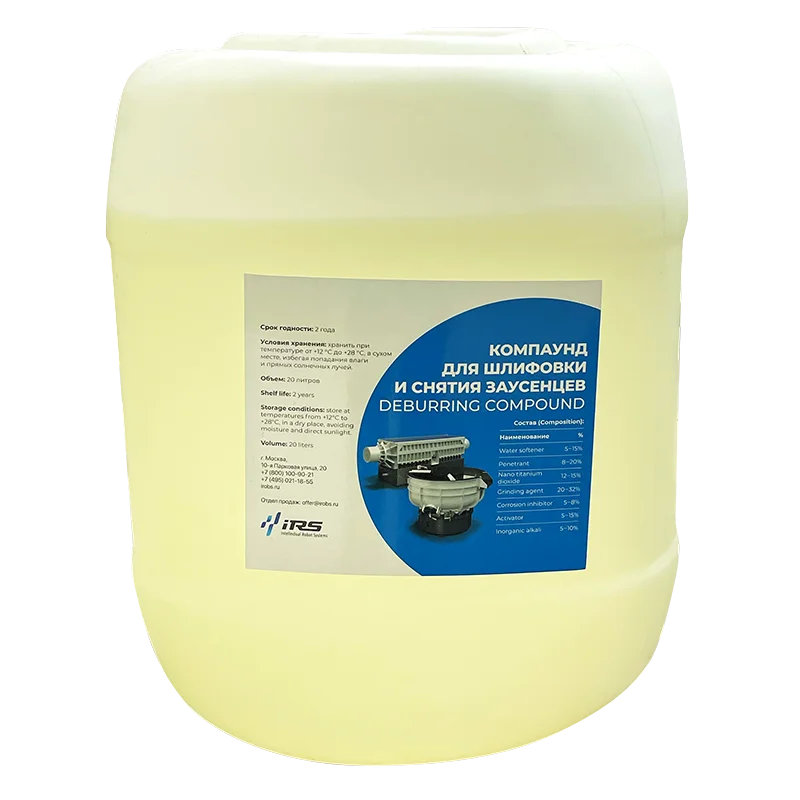
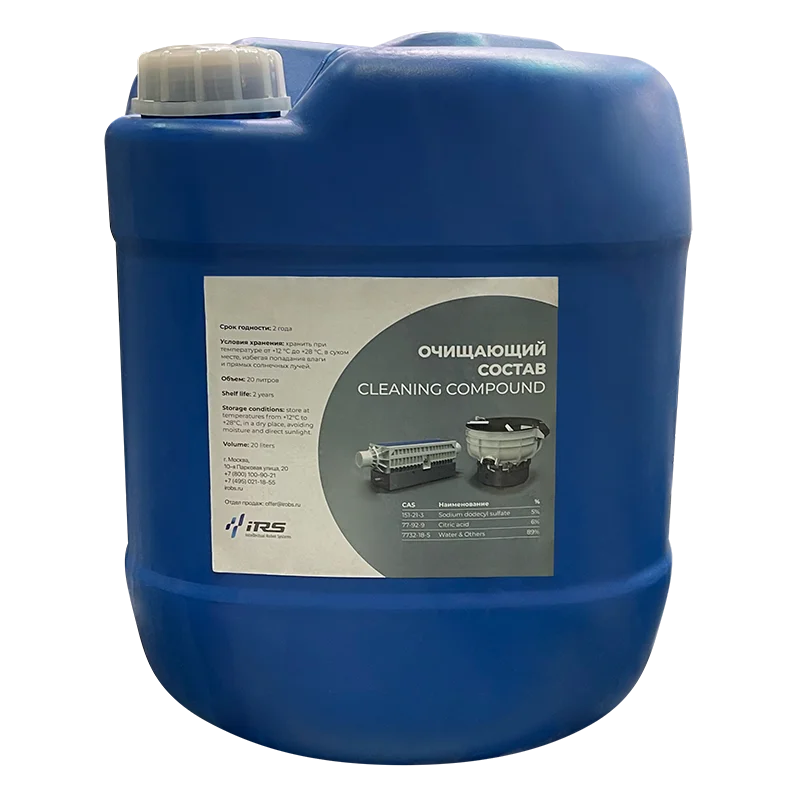




Advantages of Mass Finishing Equipment
- High throughput for processing large batches of small parts.
- Versatile processing capabilities. A single machine can perform deburring, rust removal, oil residue cleaning, edge radiusing, grinding, surface hardening, and polishing—simply by changing the consumable media and compounds.
- Long service life. The machines feature a simple design and straightforward operating principle.
- Readily available consumables.
- Resistance to aggressive environments. A special polyurethane lining protects the equipment from corrosive substances.
- Easy maintenance.
Types of Mass Finishing Equipment
Rotary Barrel Finishers
The most basic type of equipment. The operating principle is simple: a motor rotates the drum, causing the media and parts inside to tumble. This type is primarily used for rough processing of various components. It's important to note that parts can impact each other during operation. Therefore, rotary barrels are not recommended for fragile items or those made from thin-walled sheet metal.
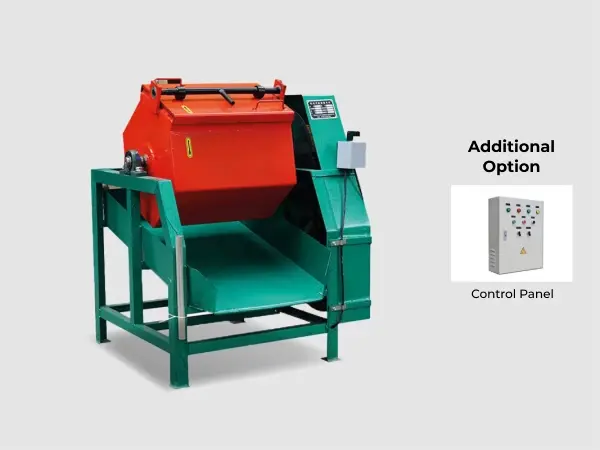
Fig. Example of a rotary barrel finisher
Vibratory Finishers
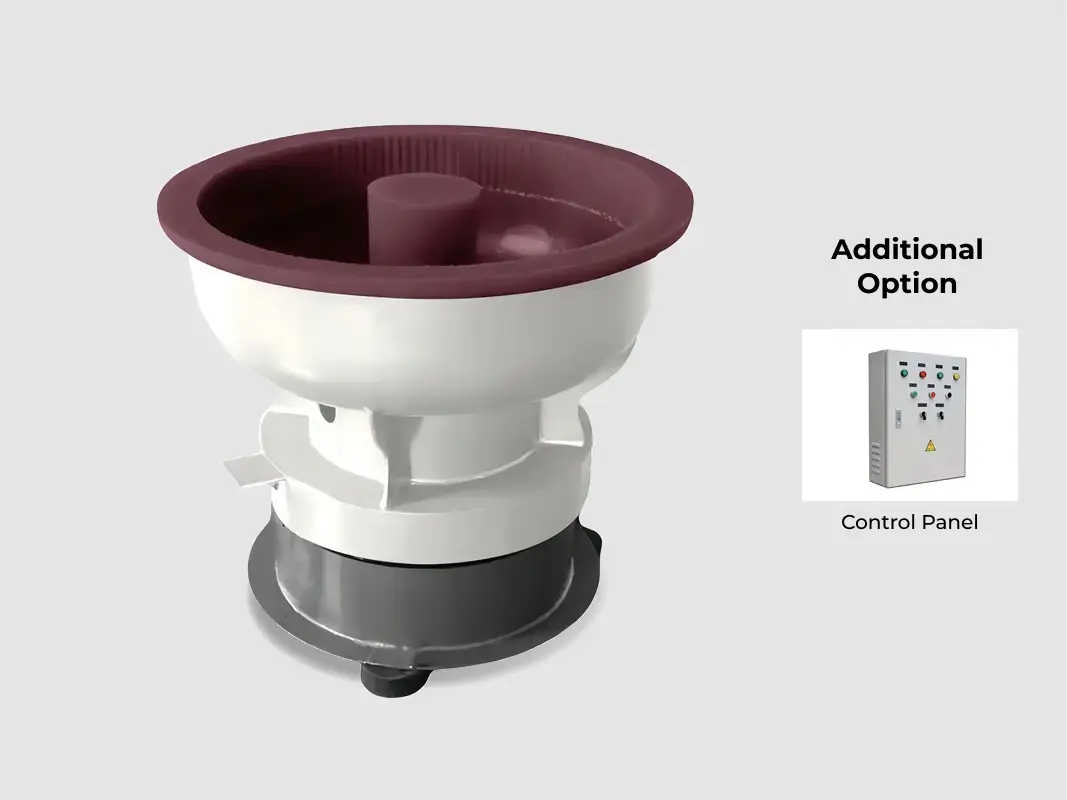
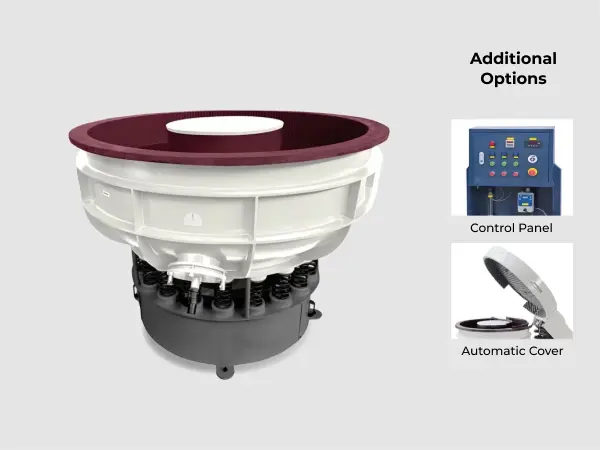
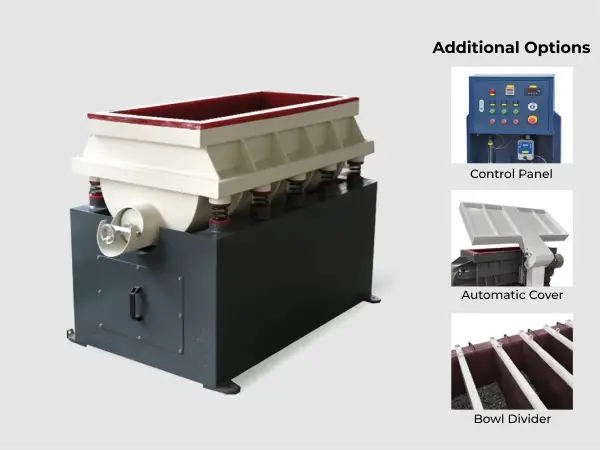
The most common type of mass finishing equipment as of 2025. A vibratory finisher consists of a bowl mounted on springs. A dedicated vibratory motor induces an oscillating motion, causing the media and parts to move and interact inside the bowl. This movement follows a more complex trajectory compared to rotary barrels, resulting in higher processing efficiency. Machines are categorized by bowl shape: round bowl and trough (tub) vibrators.
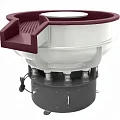
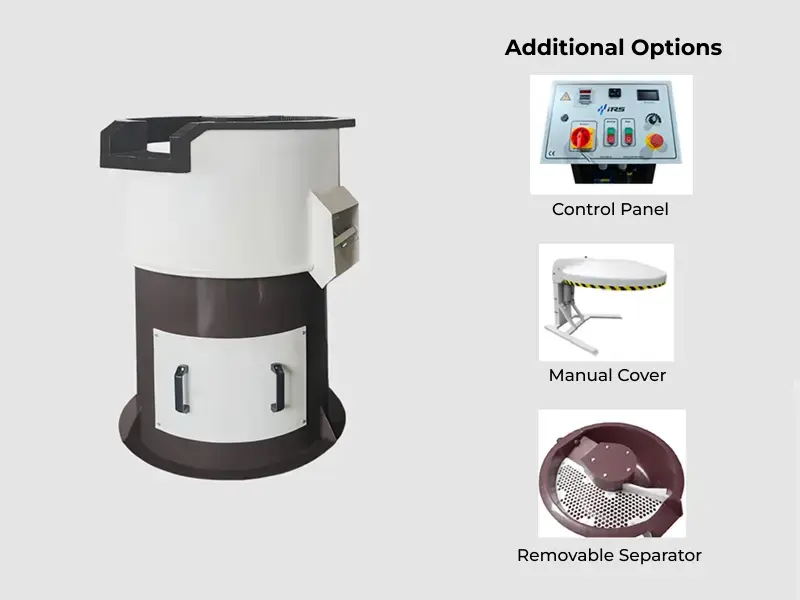
Round Bowl Machines are used for high-volume processing of small parts. They often include an optional separator for quick media-part separation at the end of the cycle.
Trough (Tub) Vibrators are used primarily for large or very long parts. Processing small parts in them can create manual unloading challenges for the operator. Due to their more efficient bowl design, round bowl machines generally offer higher productivity than trough models.
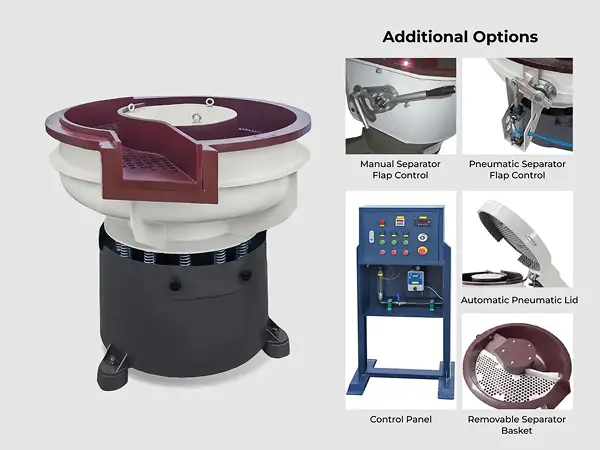
Fig. Example of a round bowl vibratory finisher with separator

Example of a trough vibratory finisher
Centrifugal Disc Finishers
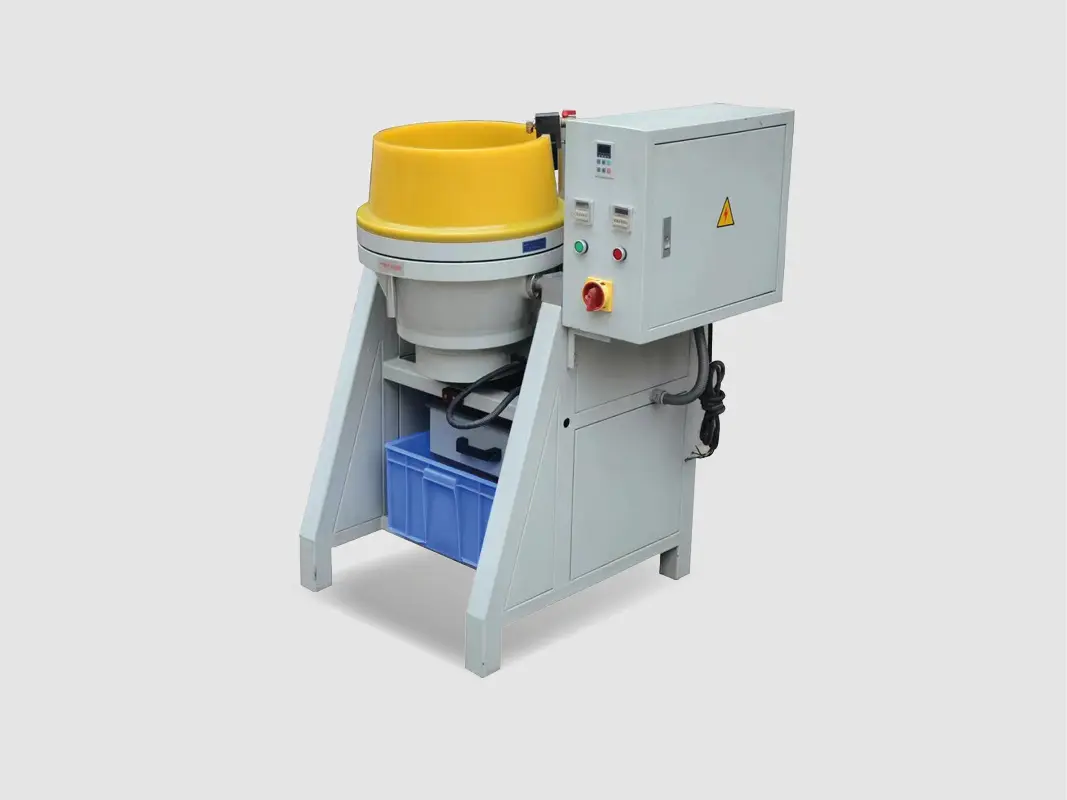
These machines are suitable for processing small, lightweight parts and offer higher productivity than vibratory finishers. Accelerated processing is achieved through intensified media activity and higher rotational speeds inside the machine. A drive at the bottom of the bowl transmits rotation to the media and workpieces. Centrifugal disc finishers are not recommended for large, complex-shaped parts due to the risk of damage from intense media interaction. They are most often used for small components: nuts, bolts, coins, and even jewelry.
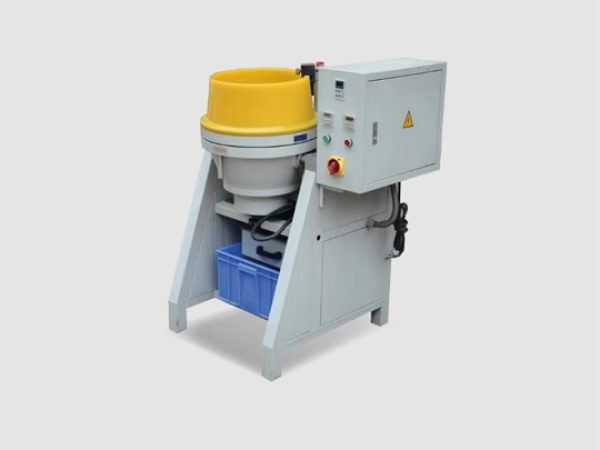
Fig. Example of a centrifugal disc finisher
Spindle Finishing Machines
This is high-production, dedicated finishing equipment. Parts are fixtured on rotating "arms" (spindles) that submerge into a rotating tub of media. This delivers very high productivity. However, these systems are typically not standard and are custom-built for specific customer parts. Their primary serial application is in polishing automotive wheels.
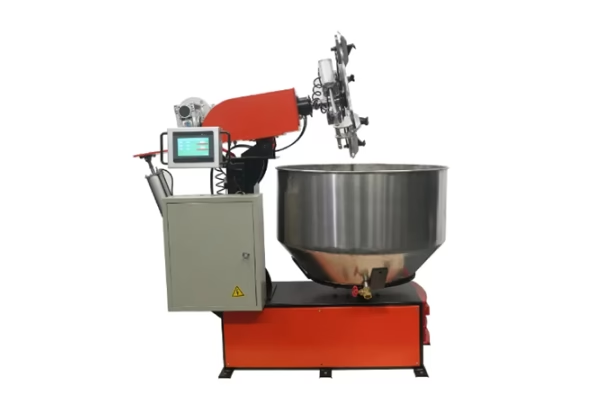
Fig. Example of a spindle finishing machine
Magnetic Tumbling Machines
This is modern equipment designed for fast and efficient processing of small parts. The core of its operation is a magnetic field that drives special abrasive elements (magnetic pins). These pins actively interact with part surfaces, ensuring uniform treatment even in the most hard-to-reach areas like internal cavities, narrow gaps, or threaded connections. The surface treatment process takes just 5–15 minutes, significantly reducing production time. Processing is only possible for non-magnetic materials.
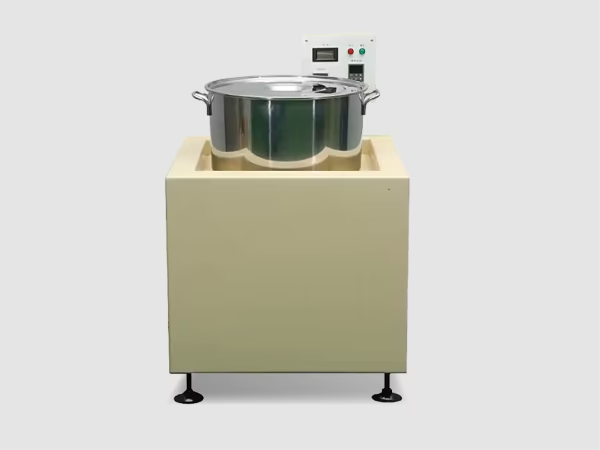
Fig. Example of a magnetic tumbler
Examples of Part Processing with Mass Finishing Equipment:
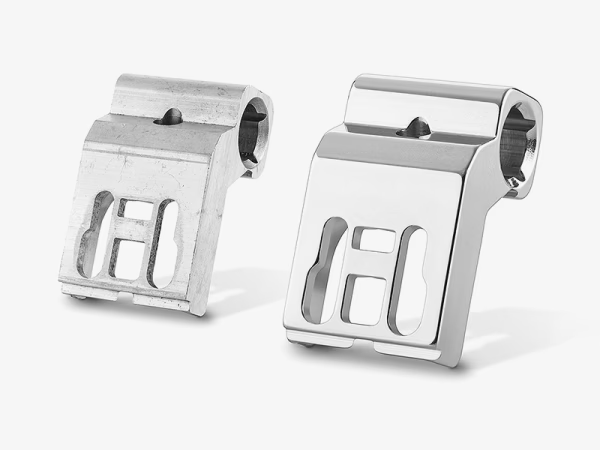
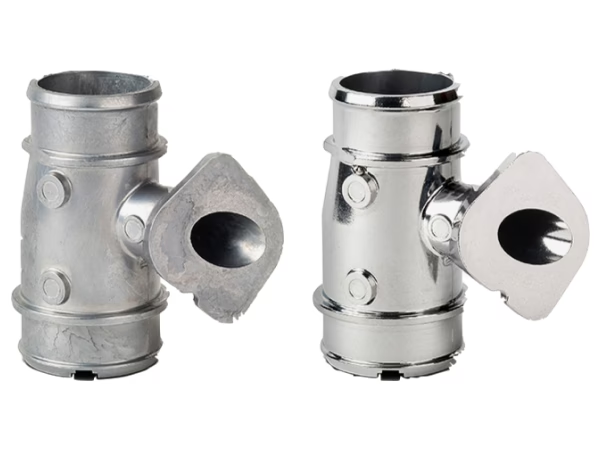
Polishing
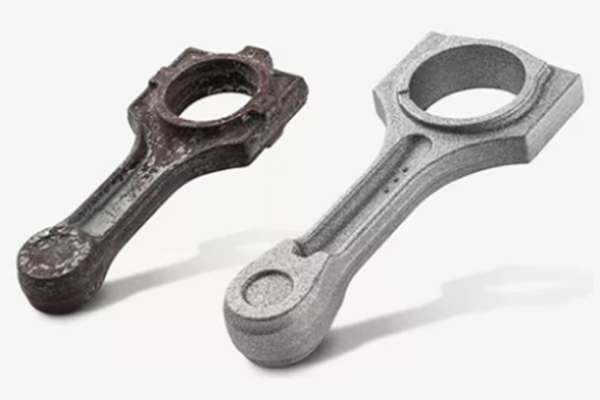
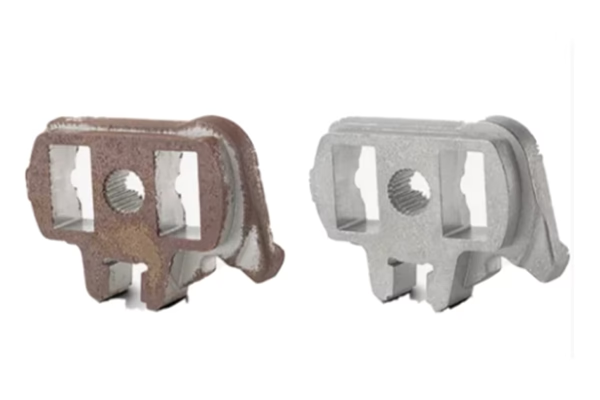
Rust Removal
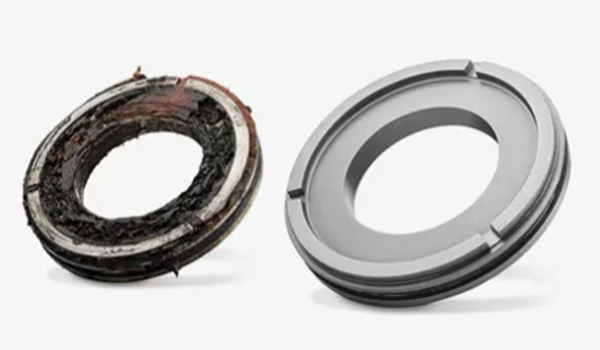
Cleaning from Oils and Contaminants
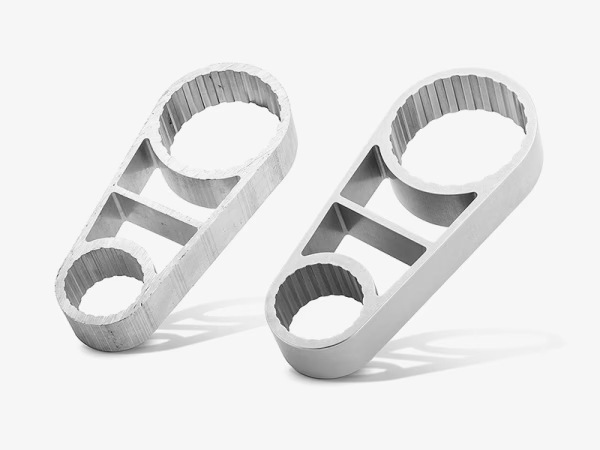
Grinding and Deburring
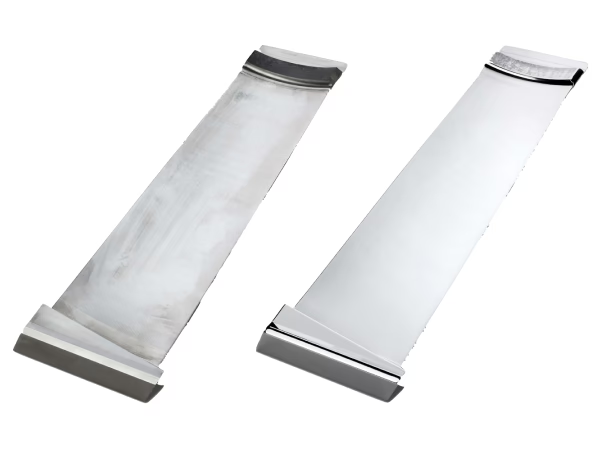
Achieving the Required Surface Roughness
Selecting the Right Equipment for Your Production
To purchase the mass finishing equipment that best suits your needs, consider the following parameters:
- Shape, size, and material of the processed parts. For large components, a trough model is preferable, while for small parts, a machine with a separator is ideal.
- Required throughput and final result. For example, purchasing a rotary barrel finisher for polishing tasks is often impractical due to its low productivity and relatively rough action. For small parts, high productivity is achieved with centrifugal disc finishers. For medium and large parts, vibratory machines are typically the best choice.
IRS Company — Your Reliable Supplier of Mass Finishing Equipment
Our company offers a wide selection of mass finishing equipment at competitive prices. We provide delivery across Russia and a warranty on all products. Our engineers will help you select the optimal type of vibratory finisher, taking into account the specifics of your production.
Buy your mass finishing machine from us — and acquire reliable equipment that will enhance your processing efficiency and ensure perfect surface quality.
Order your vibratory finishing machine today and experience its performance firsthand!
Frequently Asked Questions (FAQ)
Mass finishing is a mechanical surface treatment process for components. Its primary purposes include grinding, polishing, deburring, descaling, and refining part geometry.
This technology is used across various industries such as general manufacturing, aerospace, automotive, jewelry, and medical sectors to enhance both functional and aesthetic properties of products.
Several machine types operate on different principles:
- Vibratory Finishers: Utilize vibrations to move parts and abrasive media. Ideal for processing large batches of components.
- Centrifugal Disc Finishers: Feature a rotating disc that generates centrifugal force, enabling faster and more intensive processing.
- Rotary Barrel Finishers: Suitable for rough processing but offer lower productivity.
- Magnetic Tumbling Machines: Used for non-magnetic materials, employing steel pins for micro-deburring and polishing.
- High throughput for large batches of small parts
- Versatile processing capabilities — one machine can perform deburring, rust removal, oil cleaning, edge radiusing, grinding, burnishing, and polishing by simply changing consumables
- Long service life due to simple design and straightforward operation
- Affordable consumables — media costs are relatively low
- Resistance to aggressive environments — special polyurethane lining provides corrosion protection
- Easy maintenance — minimal specialized servicing required
Suitable for various materials including:
- Metals (steel, aluminum, titanium, copper, brass, etc.)
- Plastics
- Ceramics
- Composite materials
Common media types include:
- Ceramic Abrasives: For grinding and removing burrs, scale, and rust from steel, cast iron, and titanium parts
- Plastic Abrasives: For delicate processing of non-ferrous metal components
- Steel Media: For polishing hard materials
- Porcelain and Zirconia Media: For final polishing applications
Processing can occur dry, with intermittent flooding, or with continuous flow of compound solution. Dry processing generates dust, requiring integrated blow-off and suction systems for dust control and media regeneration.
Most vibratory finishing operations use continuous or intermittent liquid solution supply. The liquid solution removes wear products (metal and abrasive particles) from part surfaces, wets parts and media to aid separation, ensures even part distribution, and cools processed components. Process intensity can be adjusted by changing fluid levels in the work chamber. Chemical additives with special properties can be introduced to regulate process intensity and finishing quality.
Key selection criteria include:
- Drum/bowl volume (determines part capacity)
- Part dimensions (dictate work bowl/drum size)
- Required operations (grinding, polishing, deburring, etc.)
- Motor power
For long-term reliable operation:
- Regularly clean the bowl/drum from residual media and parts
- Periodically inspect motor, bearings, and sealing elements
- Use only high-quality media appropriate for the specific processing type
Processing time varies by equipment type and application:
- Vibratory and rotary barrel machines: 30 minutes to several hours
- Centrifugal disc finishers: 10-30 minutes due to high speed
- Magnetic tumbling machines: 5-20 minutes for fast results
Service life depends on equipment type, media material and size, and processing intensity. Media gradually wears down, reducing in size over time. Complete media replacement is usually unnecessary — periodic replenishment maintains optimal loading volume.
Typical media lifespan:
- Ceramic and plastic media: 1.5-2 months average
- Porcelain media: 1-2 years
- Zirconia and steel media: Up to 5 years

"Stalproekt" expresses its gratitude to "Intellectual Robot Systems" for the promptness and quality of the supplied equipment. Our company ordered a laser cutting machine, which is essential for performing complex tasks within the scope of our projects....

We turned to "Intellectual Robot Systems" to purchase a tube bending machine necessary for modernizing our production. We are very pleased with the outcome of the collaboration.
The equipment was delivered strictly within the established...

The company "Intellectual Robot Systems" supplied us with a laser welding machine. We collaborated with them when ordering equipment for our production. We would like to highlight the high level of professionalism of the team, who promptly responded...

The management of LLC "Podveska" expresses its gratitude to LLC "Intellectual Robot Systems" for the delivery of the robotic complex. Its implementation has significantly improved the quality of our products while maintaining labor productivity and ...


high-tech welding equipment and the implementation of...
