
Фильтр


General Information on Laser Cladding
Laser cladding is a method of applying material using laser radiation, which is used to create a molten pool on the surface being processed, while adding filler material in the form of metallic powder or wire.
General advantages of the technology:- The energy supplied to the processing zone is precisely controlled
- Local processing is possible
- The total thermal input is low
- High heating and cooling rates of the deposited layer
- Stable height of the deposited layer
- Minimal deformation of the workpiece
- Stable and controllable process parameters
Comparison of Cladding Technologies
| Manual (Shielded Electrode) | Semi-Automatic (Wire) | Automatic (Submerged Arc Wire) | Laser (Automatic) | Plasma | Laser (Manual) | |
|---|---|---|---|---|---|---|
| Productivity |
Medium |
Medium |
High |
High |
High |
Medium |
| Work Cost |
Low |
High |
High |
High |
High |
Low |
| Equipment Cost |
Low |
Medium |
High |
High |
High |
Medium |
| Deformation |
High |
High |
High |
Low |
High |
Low |
| Penetration |
High |
High |
High |
Low |
High |
Low |
| Layer Thickness |
Large |
Medium |
Small |
|||
| Range of Applicable Cladding Materials |
Medium |
Low |
Wide |
|||
| Operator Skill Level Required |
High |
Low |
Low |
Low |
Best Performance
Average Value
Worst Performance
Application Area
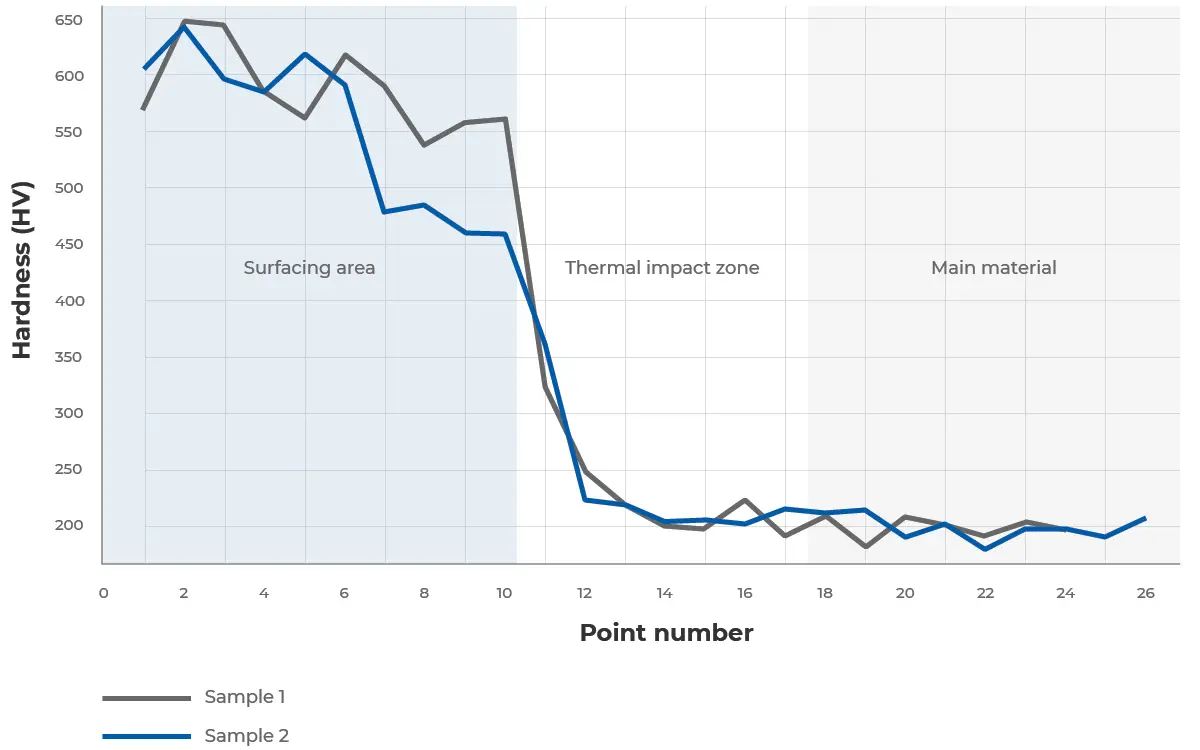
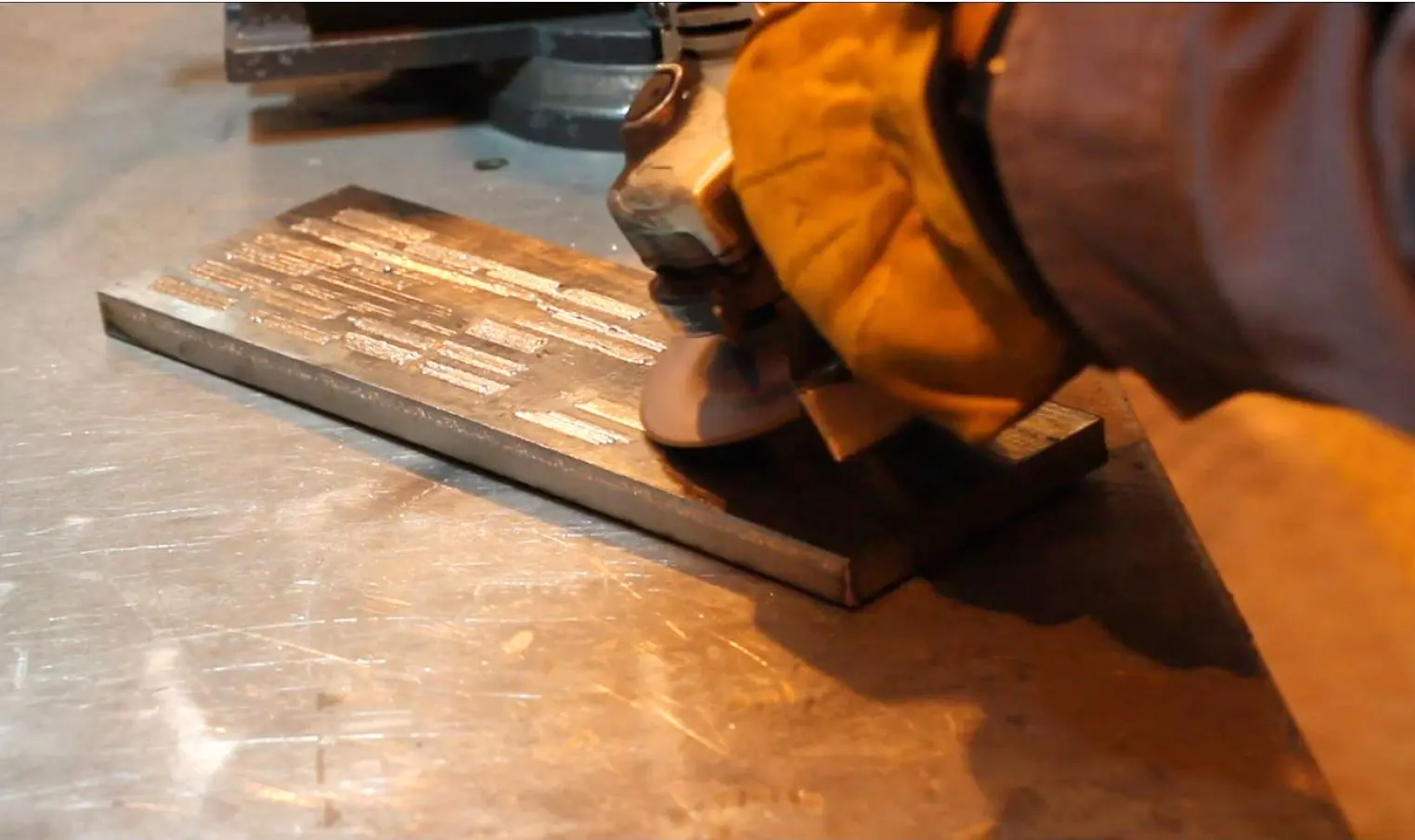
Applying High-Strength Coatings


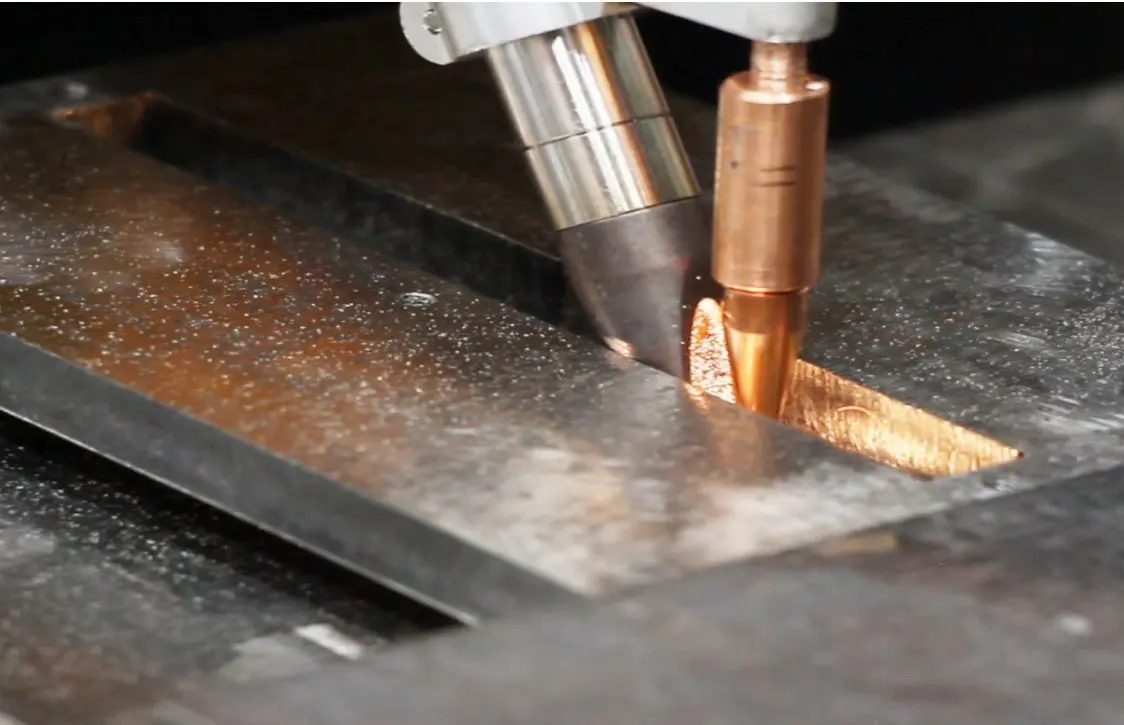
- Template-based cladding on a flat part
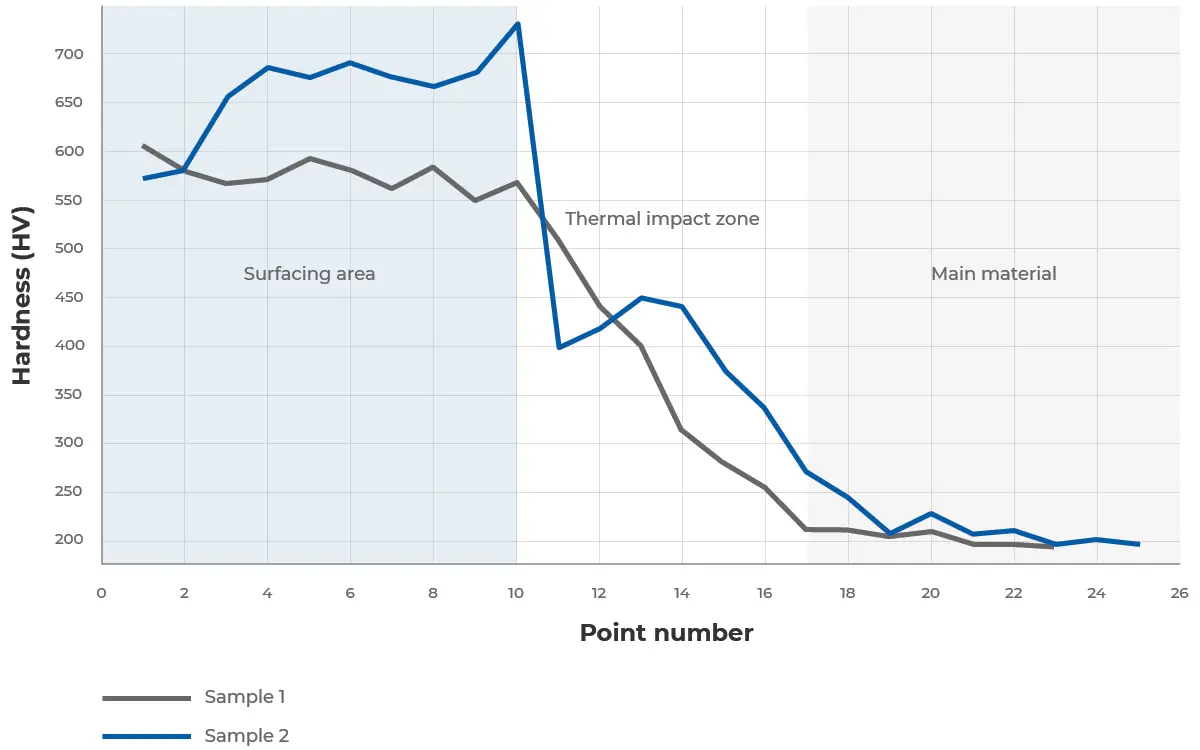
- Cladded material hardness 2.5–3 times higher than the base
Repair of Local Defects
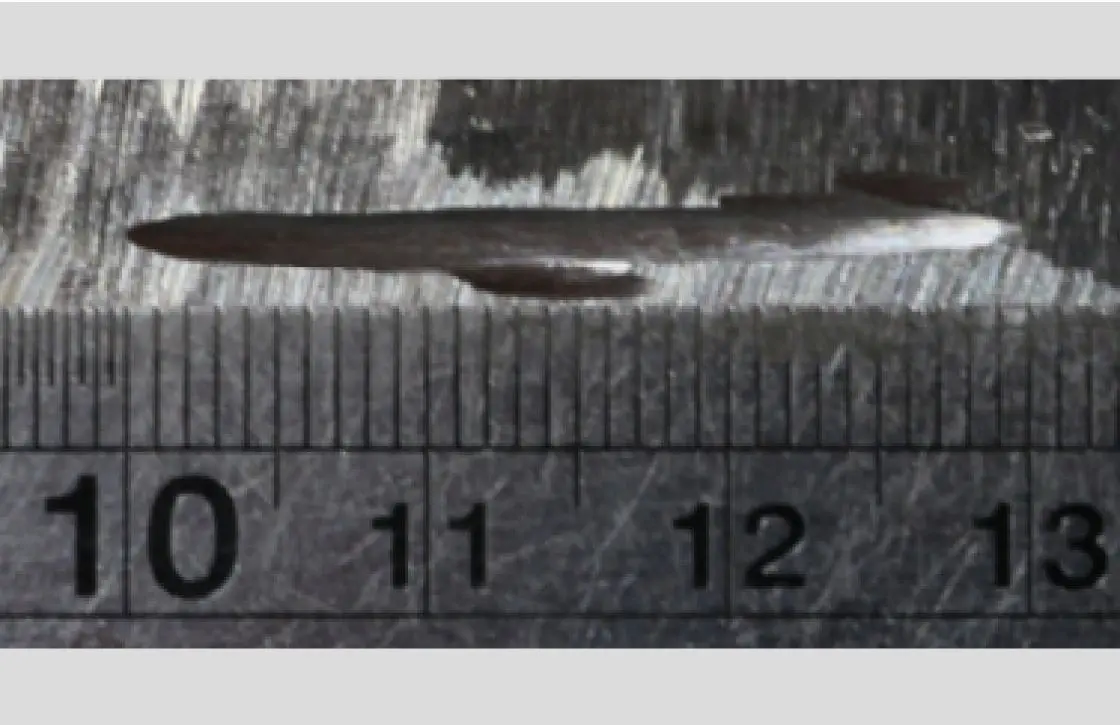
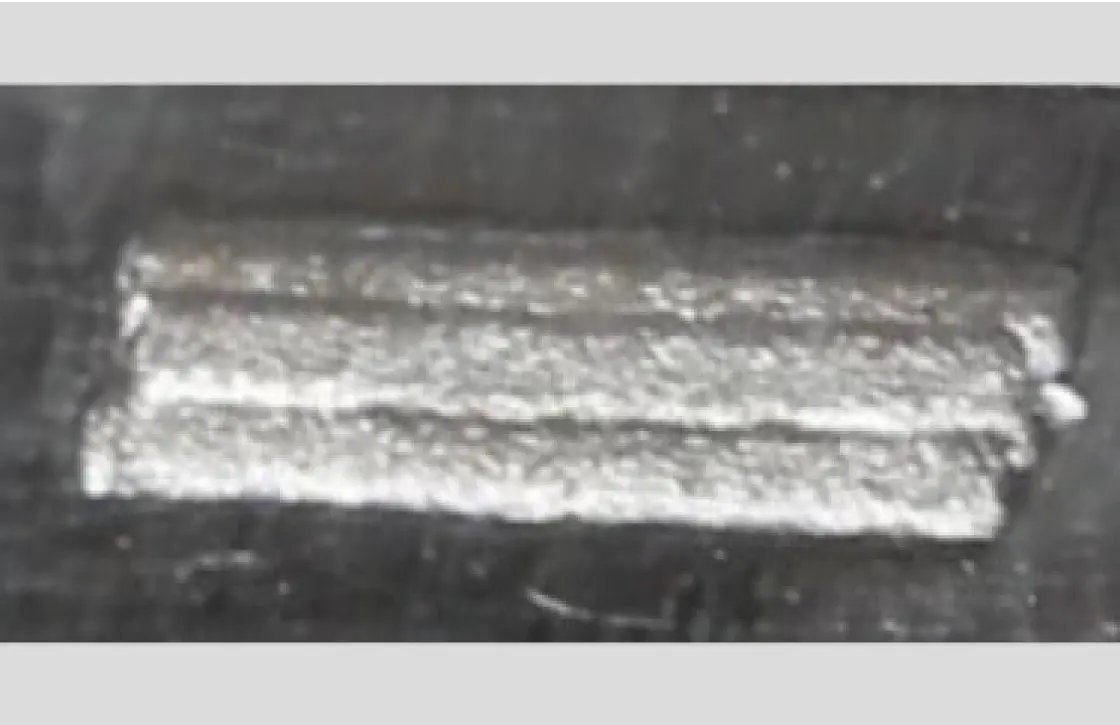
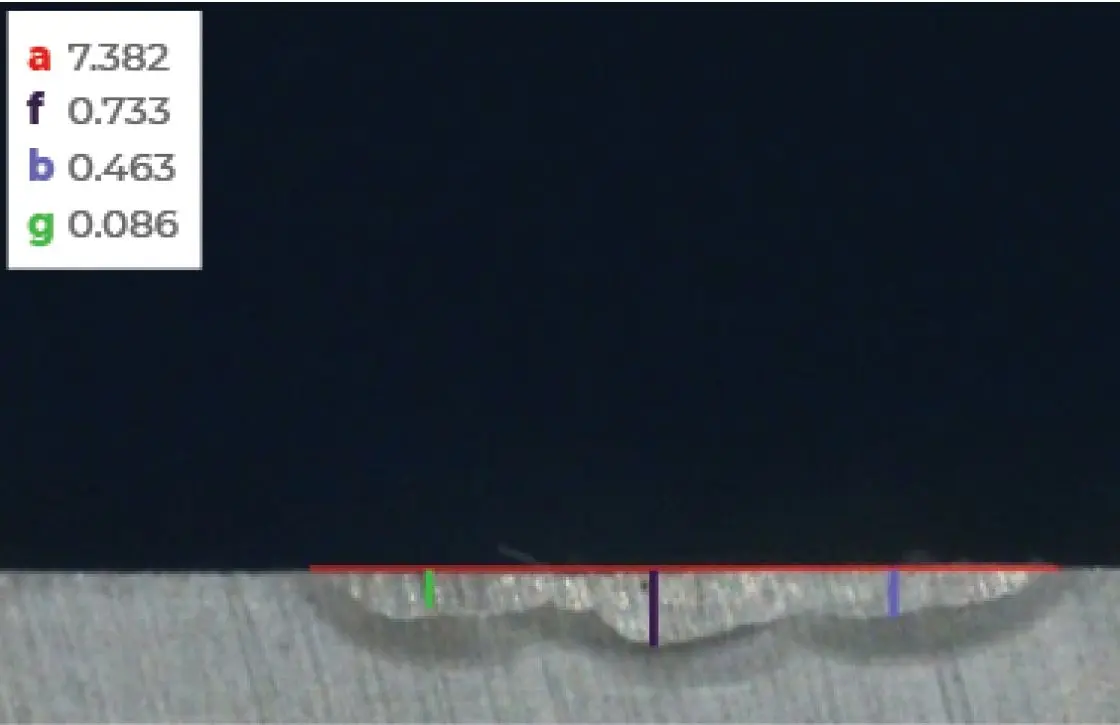
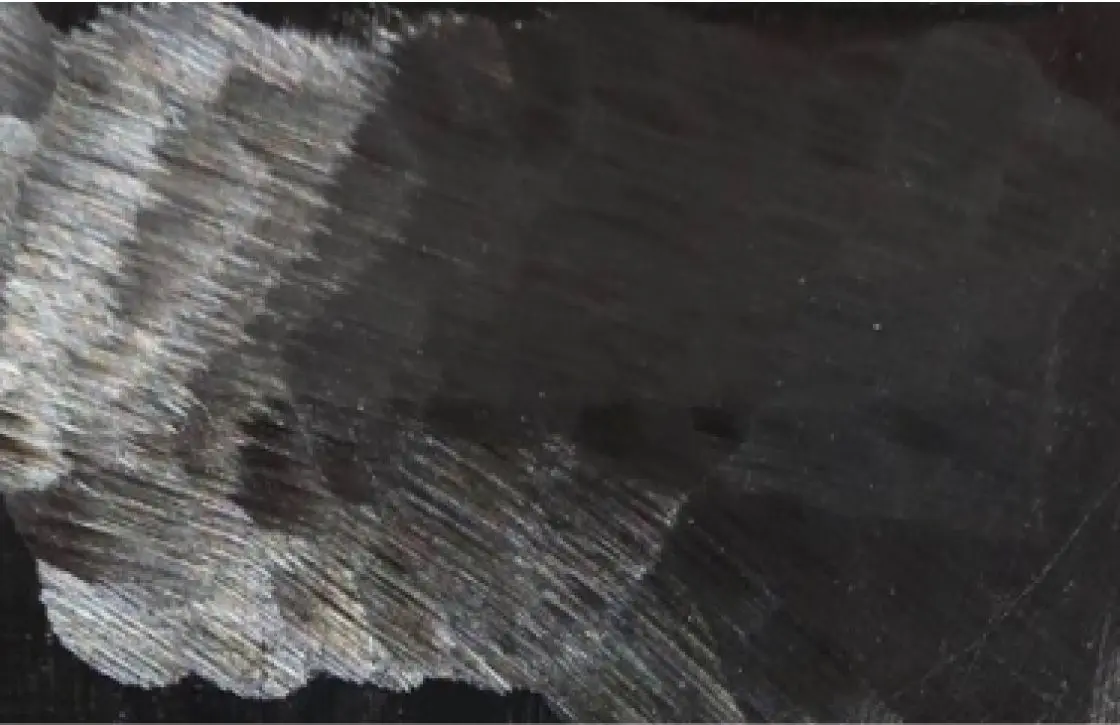
The repair coating is free of pores, delamination from the base metal, and cracks.
Restoration of Worn Parts


- Processing time: 15 min
- Material: iron-based powder
- Hardness of cladded material is 4 times higher than the base
- RESULT: service life exceeds that of the original part
Comparison of Powder Cladding and Wire Cladding Technologies
| Manual Cladding (Wire) | Manual Cladding (Powder) | |
|---|---|---|
| Productivity |
Medium |
Medium |
| Labor Costs |
Low |
Low |
| Equipment Cost |
Medium |
Above Medium |
| Distortion |
Low |
Low |
| Penetration |
Low |
Low |
| Layer Thickness |
Medium |
From Low to Medium |
| Variety of Cladding Materials |
Medium |
High |
| Worker Qualification |
Low |
Low |
Best Performance
Average
Advantages of Manual Powder Cladding:
- Wide range of cladding materials;
- Large possible range of cladding thickness;
- Multi-layer powder cladding is simpler than using wire;
- Lower heat input to the workpiece.
- Lower cost of additional equipment;
- 100% efficiency of cladding material usage;
- Easier to maintain uniform gun movement speed;
- Fixtures are simpler than with powder cladding.
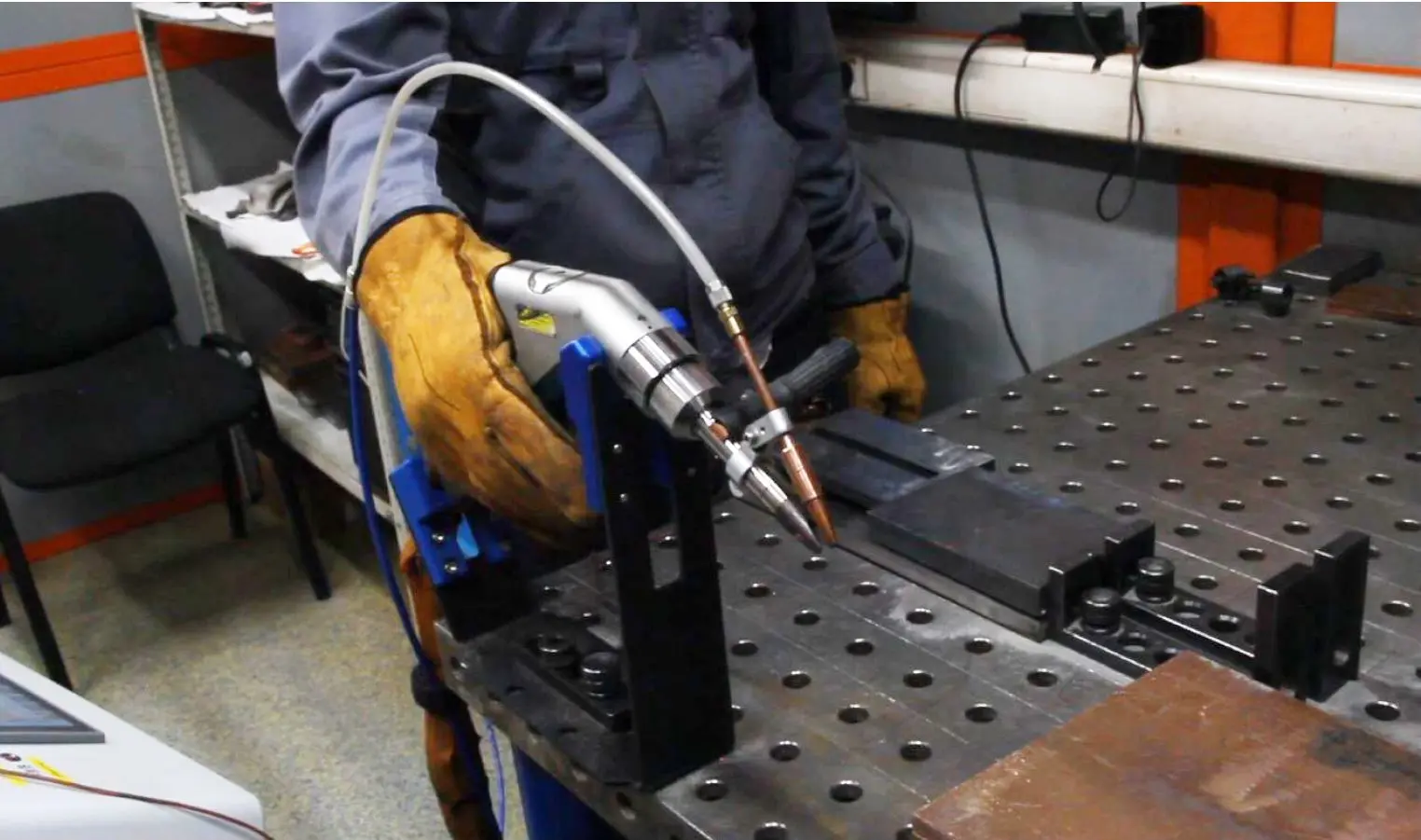
TEO of the Manual Laser Cladding Process

- Electricity
- Filler Material
- Shielding Gas
- Labor Cost of Cladding
- Equipment Depreciation
Materials and Characteristics of the Cladding Coating
| Substrate Type | Cladding Material Characteristics | Example |
|---|---|---|
| Low-carbon steels 09G2C, St. 20, St. 3, 10HSND, 20H, 20H13, etc. |
Corrosion-resistant steels, heat-resistant and heat-strength alloys, wear-resistant materials with high hardness, friction and anti-friction coatings, non-ferrous metals and alloys | 316L, 410L, FeCr, Inconel, Stellite, WC+Ni, Cu+Al, СrSn, NiCr, CoCr, Cu+Zn, Al, AlSi10Mg, SnSb, etc. |
| Medium-carbon steels 30HGSA, 40HN2MA, 30H13, 40H13, 40H, 4H5MFS, 5HNM, etc. |
Corrosion-resistant steels, heat-resistant and heat-strength alloys, high-hardness materials, friction coatings, non-ferrous metals and alloys | |
| Carbon steels and cast irons 65G, U7A, 9HS, VC50, etc. |
Corrosion-resistant steels, heat-resistant and heat-strength alloys, friction coatings, non-ferrous metals and alloys | |
| Non-ferrous metals and alloys AK 9, AMG6, bronzes, WC+Ni, Stellite, NiCr |
Corrosion-resistant alloys, heat-resistant and heat-strength alloys, high-hardness materials, friction coatings, non-ferrous metals and alloys |
Areas of Application
- Processing of flat parts and rotational bodies;
- Local defect repair (cracks, scratches, dents);
- Restoration of part geometry;
- Providing the coating with required physical and mechanical properties.
Equipment Advantages
- Easy integration into the production process;
- Compact equipment size;
- Does not require highly skilled personnel to operate;
- Ease of use;
- Completely manufactured in Russia.
