
Five-Axis Laser Cutting of Non-Metals
Laser Cutting of Non-Metals: Technology of the Future
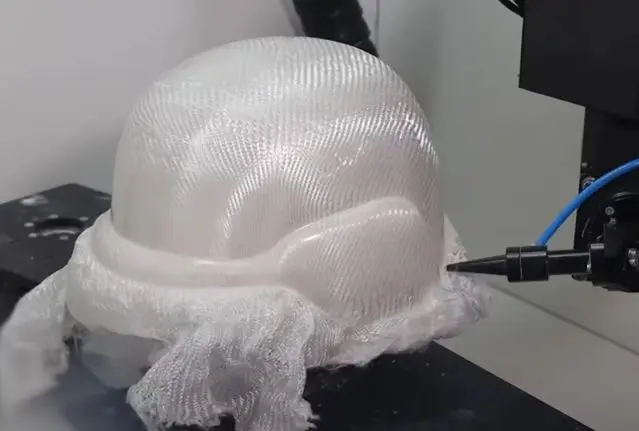
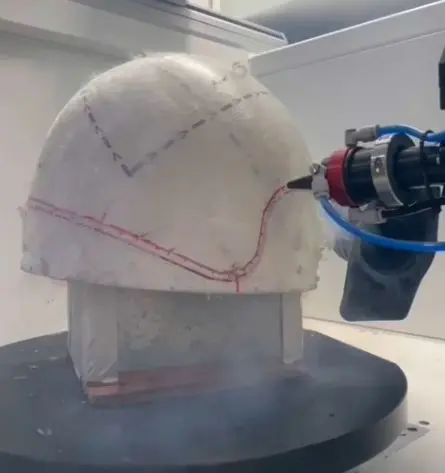
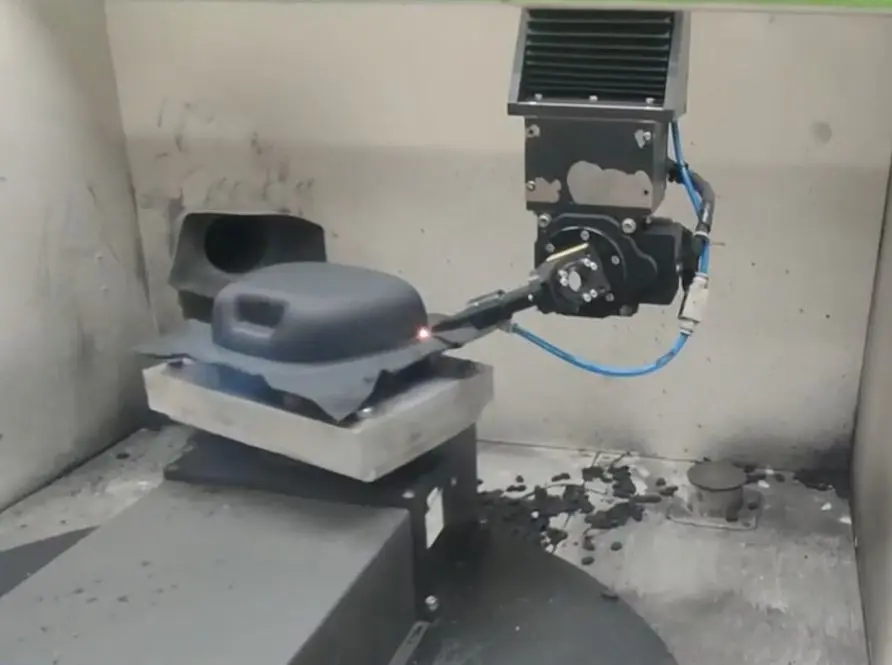
The technology of laser cutting non-metallic products is not entirely new. Since the 1960s, when the very first laser (solid-state) was invented, people have actively implemented laser cutting into various manufacturing processes: metal cutting, wood, plywood, plastic, and various polymers. The cutting technology originally involved flat (2D) sheet cutting. However, nowadays, some production areas are not limited to just this technology. Their products have complex three-dimensional shapes that need to be trimmed in some way. In this article, we will review the basics of laser 3D cutting and its potential prospects.
How Does It Work?
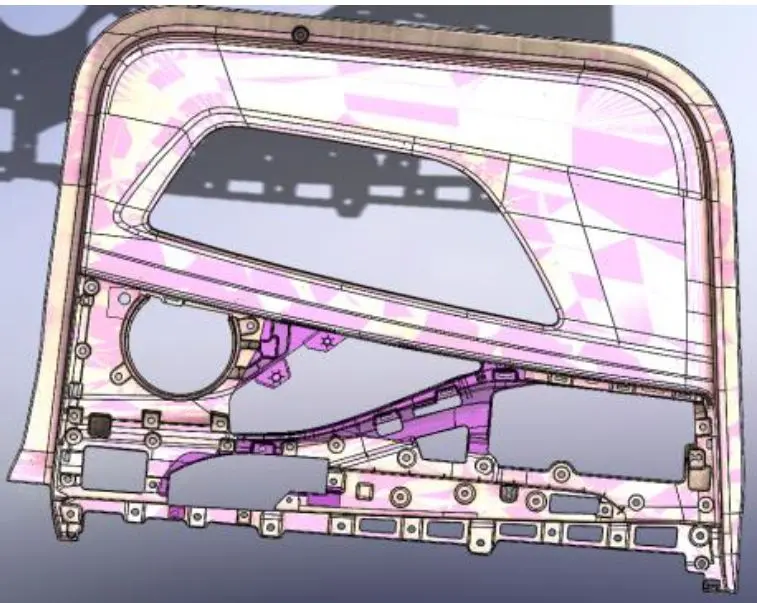
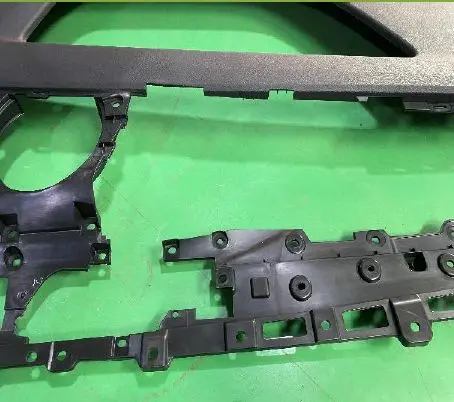
Laser 3D cutting of plastics is based on using a laser beam to heat and melt the pliable material. The process begins with creating a 3D model of the object to be cut. Then, the cutting locations are defined. Next, the software calculates the trajectory, and the machine automatically moves the laser head along the defined path. The laser beam can be adjusted for parameters such as power and speed, allowing precise control over the cutting process and the creation of parts with varying degrees of accuracy.
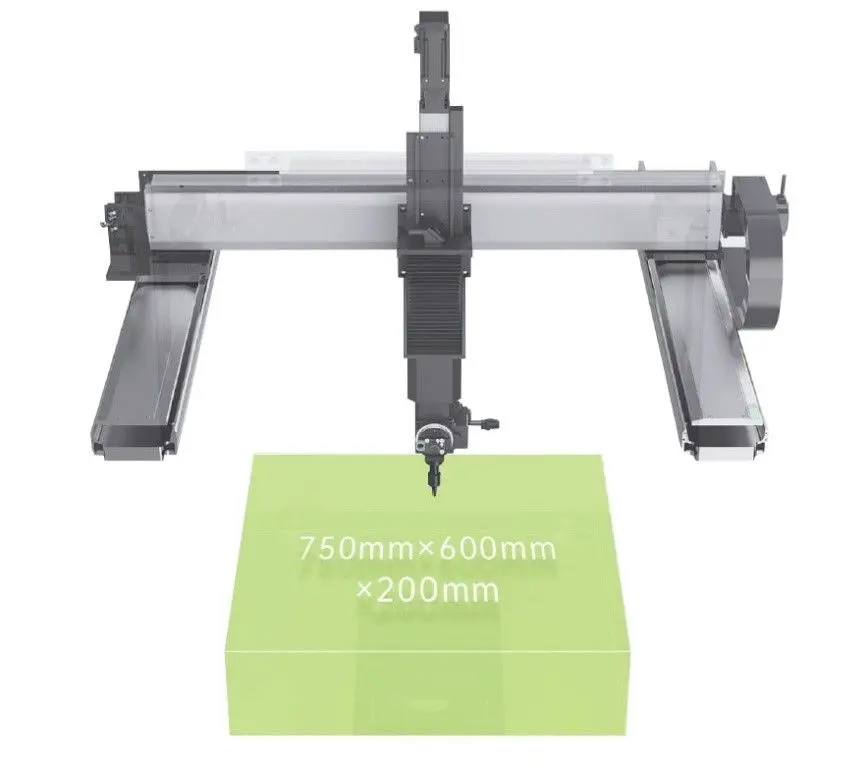
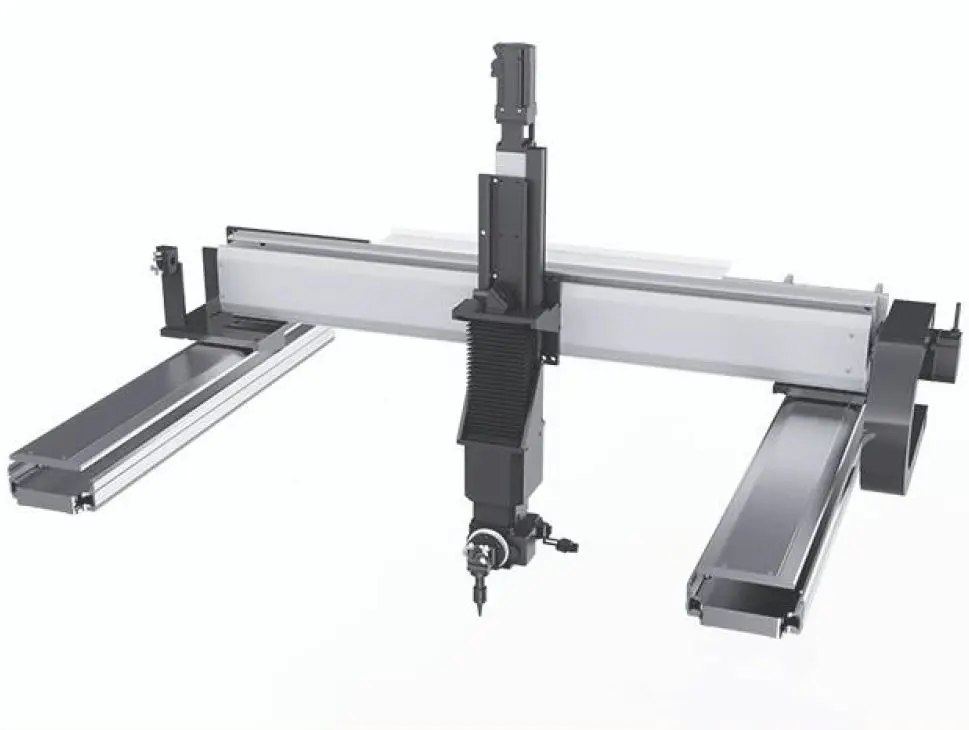
The main components of modern five-axis laser cutting systems include the laser source, control system, a table with the plastic workpiece, and a motion system for precise 3D path tracking. Special attention should be given to the motion system.
Typically, these are CNC systems with their own software, but there are two main configurations: 1. The laser head is mounted on a movable gantry, 2. XYZ portal system. If high speed and high precision (0.05 mm) are important, the second option is preferable. An example of such a system is the SGF080602 five-axis laser cutting machine from the global laser equipment manufacturer Yueming Han’s Laser.
Advantages of Laser 3D Cutting
- High Precision: The technology ensures high accuracy in part fabrication, which is critical for industrial applications requiring minimal deviation.
- Speed and Efficiency: Laser 3D cutting of plastics can be faster than some other manufacturing methods, saving time and resources.
- Versatility: Applicable to various types of plastics, making it suitable for a wide range of tasks and industries.
- Complex Shapes: The laser beam can create intricate 3D objects that are difficult or impossible to produce with other methods.
- Minimal Waste: The 3D laser cutting process minimizes material waste.
Applications
- Mechanical Engineering: Prototyping, custom parts production, manufacturing complex components for machinery and aviation.
- Medical: Fabrication of biomodels, medical prosthetics, and custom implants.
- Electronics: Production of enclosures, cutting ventilation holes.
- Space Engineering: Manufacturing components and parts for spacecraft. Future of laser 3D cutting.
- Defense: Cutting UHMWPE sheets, production of ballistic helmets and other protective components.
With the development of five-axis laser machines, their applications are expected to expand. Increased precision, speed, and material accessibility will drive new innovative developments across industries. This technology allows faster and more efficient manufacturing, creating more complex and functional parts, and opening new research and development avenues.
In conclusion, laser 3D cutting is a unique and promising technology that enables the creation of innovative products and solutions across industries. Its ability to produce intricate 3D objects with high precision makes it an integral part of the future of manufacturing and design
