
Additive Technologies
LLC «Intellectual Robot Systems» presents a unique solution for manufacturing parts and assembly components for various industrial sectors using additive technologies.
Today, additive manufacturing is highly popular among many producers in our country. This technology is often applied for creating complex parts, repairing worn surfaces, and applying layers with enhanced operational properties.
The essence of the technology lies in depositing filler material onto the workpiece followed by melting it using a laser beam. The base material is minimally affected and experiences almost no changes in its internal structure. By controlling laser emission parameters and using a wide range of cladding materials, laser cladding enables achieving a required set of physical and mechanical properties.
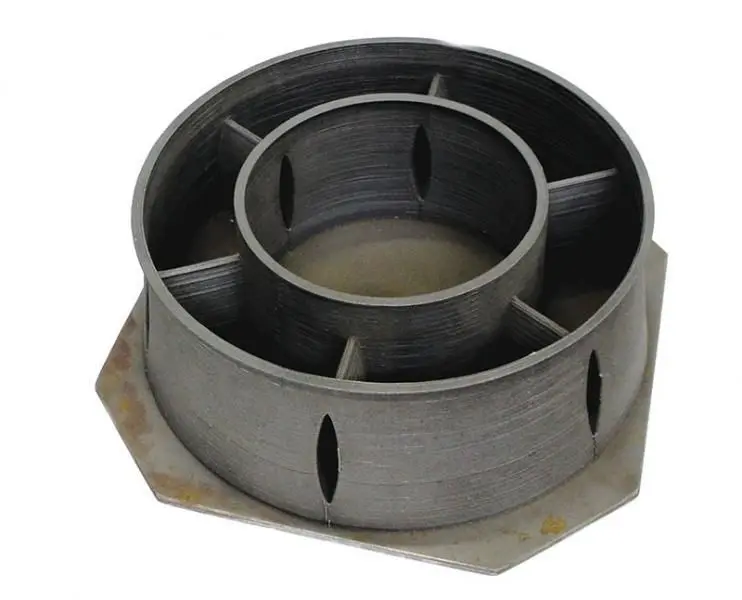
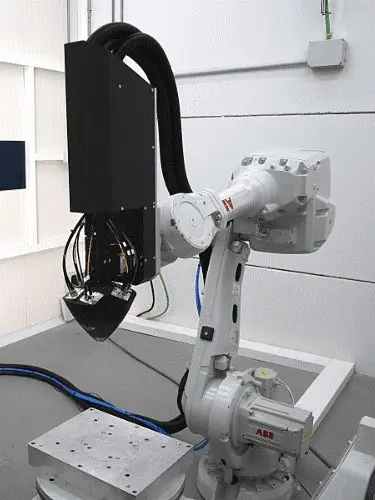
Laser cladding with powder materials is commonly used for restoring shafts, gears, dies, etc. It allows easy elimination of such defects as chips, cracks, pores, and scuffing.
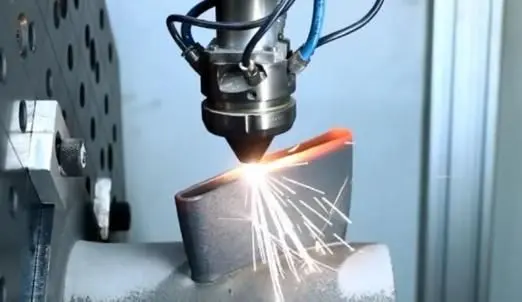
LLC «Intellectual Robot Systems» implements projects using powder, wire, and hybrid (powder + wire) laser cladding / additive technology. The technology can be integrated with industrial robots from our partners Fanuc, ABB, Kuka, as well as into existing 5-axis and 3-axis machine tools.
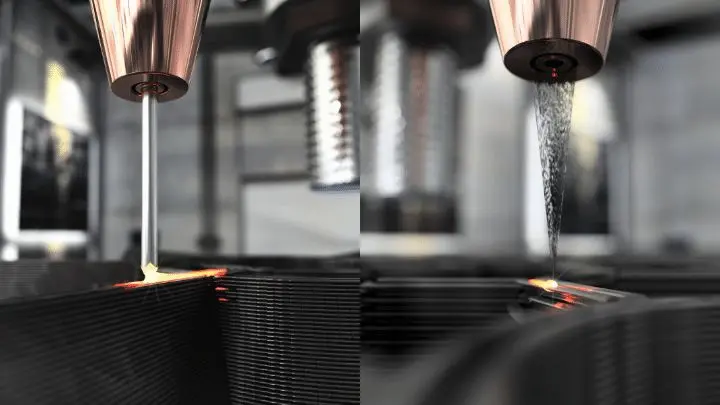
Laser cladding technology enables the deposition of both metallic and non-metallic materials; however, modern industry widely uses various alloys:
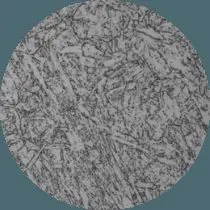
SS 316L is an austenitic steel with excellent strength, good weldability, and stable properties at elevated temperatures. The alloy has a low carbon content, making it particularly suitable where the risk of intergranular corrosion exists. As a result, stainless steel components show high corrosion resistance.
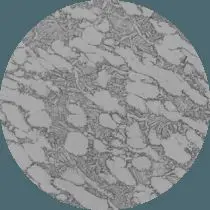
The Ti-6Al-4V alloy, also known as Ti64, is an α + β titanium alloy with high strength, low density, high fracture toughness, excellent corrosion resistance, and outstanding weldability. Ti64 is considered the most widely used titanium alloy.
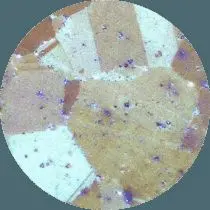
This is a precipitation-strengthened nickel alloy containing niobium and molybdenum. Alloy 718 demonstrates excellent tensile and long-term creep resistance with high yield strength at temperatures up to 1300 ℉ and oxidation resistance up to 1800 ℉. The alloy may be supplied in an annealed state for improved machinability followed by appropriate heat treatment.
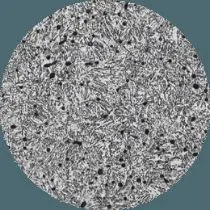
Low-alloy gun-barrel steel that increases weapon service life due to minimal contamination sensitivity and high strength. The barrel is one of the key components and must retain its properties for as long as possible. Applications include: splined shafts, rods, set screws, traverses, excavator shafts, and other components operating at temperatures up to 400 °C; when hardened and tempered — worm shafts and other parts with increased wear resistance.
Also, by the end of 2021, the following will be tested and implemented:
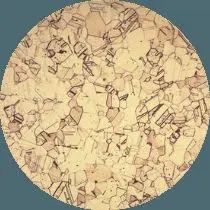
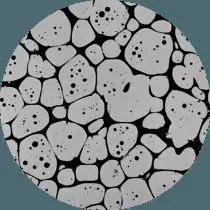
- Excellent Mechanical Properties
-
The compact heat-affected zone process of Meltio ensures exceptional mechanical performance, reduced thermal stresses, and nearly isotropic properties that exceed those of cast and forged materials.

- Consistent Densification 99.998%
- WP-LMD Meltio produces fully dense parts with excellent microstructure. It exceeds casting and forging properties and, in some cases, even matches the properties of wrought material.
- Post-processing or Direct Use
- For many high-resolution printed applications, almost no post-processing is required. Near-net-shape parts may undergo heat treatment, shot peening, polishing, brushing, or machining if needed.
- Layer Height from 0.3 to 1.2 mm
- The Meltio process provides an exceptional balance between printing speed and surface roughness. Under certain conditions, the Meltio wire-based surface finish may surpass that achieved with powder-based processes.
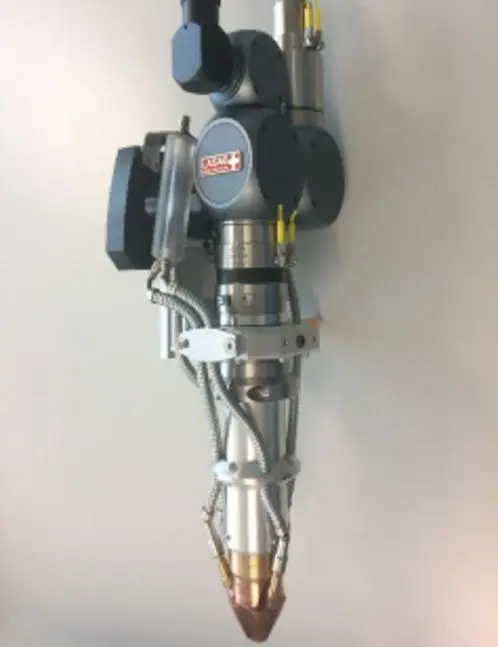
FiberWELD® DH features reliable direct-cooled internal optics that minimize focus shift during operation. Its main advantage is the high filler material utilization rate, equal to 100%. The head is designed specifically for use with medium- and high-power lasers. The special optical system splits the beam into several rays, which are then focused on the wire fed coaxially. This provides uniform melting from all sides, ensuring optimal mixing with the weld pool.
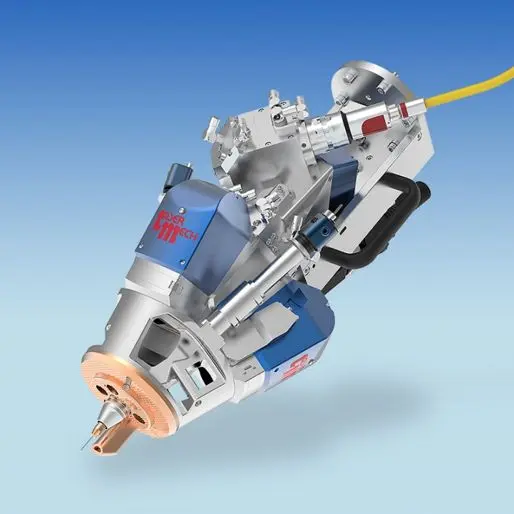
To protect internal systems, FiberWELD® DH is equipped with a protective glass that extends the service life of the internal optics.
The head is also equipped with two video cameras for additional visual control of the deposition process.
Features- Compatible with many laser systems (diode, disk, fiber) up to 30 kW;
- Built-in optical temperature monitoring sensors;
- Protective glass contamination monitoring;
- Quick and easy cartridge-style protective glass replacement;
- Direct-cooled wire feeding;
- Back-reflection protection;
- Equipped with a transverse-flow air knife;
- Optional dual-camera monitoring system for deposition process.
| Parameter | Value |
|---|---|
| Maximum Power | 30 kW |
| Laser Wavelength | 900 — 1100 nm |
| Focusing Mirrors | 300 mm |
| Laser Beam Aperture | 52 mm |
| Fiber Optic Connector | HLC-16, QD (LLK-D, LCA), QBH (HLC-8), LLK-B (Q5) |
| Wire Diameter | 0.6 — 1.6 mm |
| Collimator Focal Length | 100 mm, 150 mm |
| Weight | approx. 35 kg |
The laser head is based on the standard FiberWeld model. For additive manufacturing applications, a special coaxial powder feeding nozzle was developed. The nozzle design includes 6 inlet channels. The powder is transported to them from the feeder and exits through special injectors at an angle to the laser beam axis. Thus, the powder flow is practically unaffected by gravity, allowing the nozzle to be tilted up to 90° during coating application.
For more efficient powder usage and to achieve high-quality deposited layers, it is necessary to ensure that the powder focal point and the laser head focal point match. By default, the powder focal point is located 25 mm from the nozzle edge.
To improve productivity, the nozzle has enhanced water cooling, allowing its use at power levels up to 6 kW without causing damage. Operation at higher power levels is possible, but depends on the specific application. For long-term equipment performance, exceeding recommended values is not permitted.
| Parameter | Value |
|---|---|
| Maximum Power | 6 kW |
| Laser Beam Aperture | 48 mm |
| Fiber Optic Connector | QBH (others upon request) |
| Cooling Liquid Pressure (water) | 6 bar |
| Nozzle-to-Workpiece Distance | 10-25 mm |
| Powder Particle Size | 53-160 µm |
| Recommended Feed Rate | 2 — 80 g/min |
| Working Angle | 0-90° |
| Shielding Gas: type | pressure | flow | Argon | 6 bar | 5 — 50 l/min |
| Powder Gas: type | pressure | flow | Argon | 3 bar | 1 — 10 l/min |
| Powder Injector Diameter | 1.5 mm, 1.2 mm, 1.0 mm |
| Nozzle Diameter | 60 mm |
| Nozzle Length | 100 mm |
| Weight | 5.4 kg |
Our customers are always satisfied — we offer the best solutions on the market.
- In addition to remote technical support, if questions arise, we can arrange an on-site visit of our specialists.
- We also provide training services for your personnel on our equipment.
- After delivery of the equipment, we provide a full range of warranty and service support.
- Over 10 years of operation, due to high service quality, professionalism, and individual approach, we have become one of the leaders of the Russian market in our field and earned the trust of major aerospace, defense, nuclear, and oil industry companies, proven by multiple letters of appreciation.
- We value our clients and offer more than the contract terms include. Our client is not just a buyer, but a full-fledged partner and Friend. This is a fundamental rule of our company.